
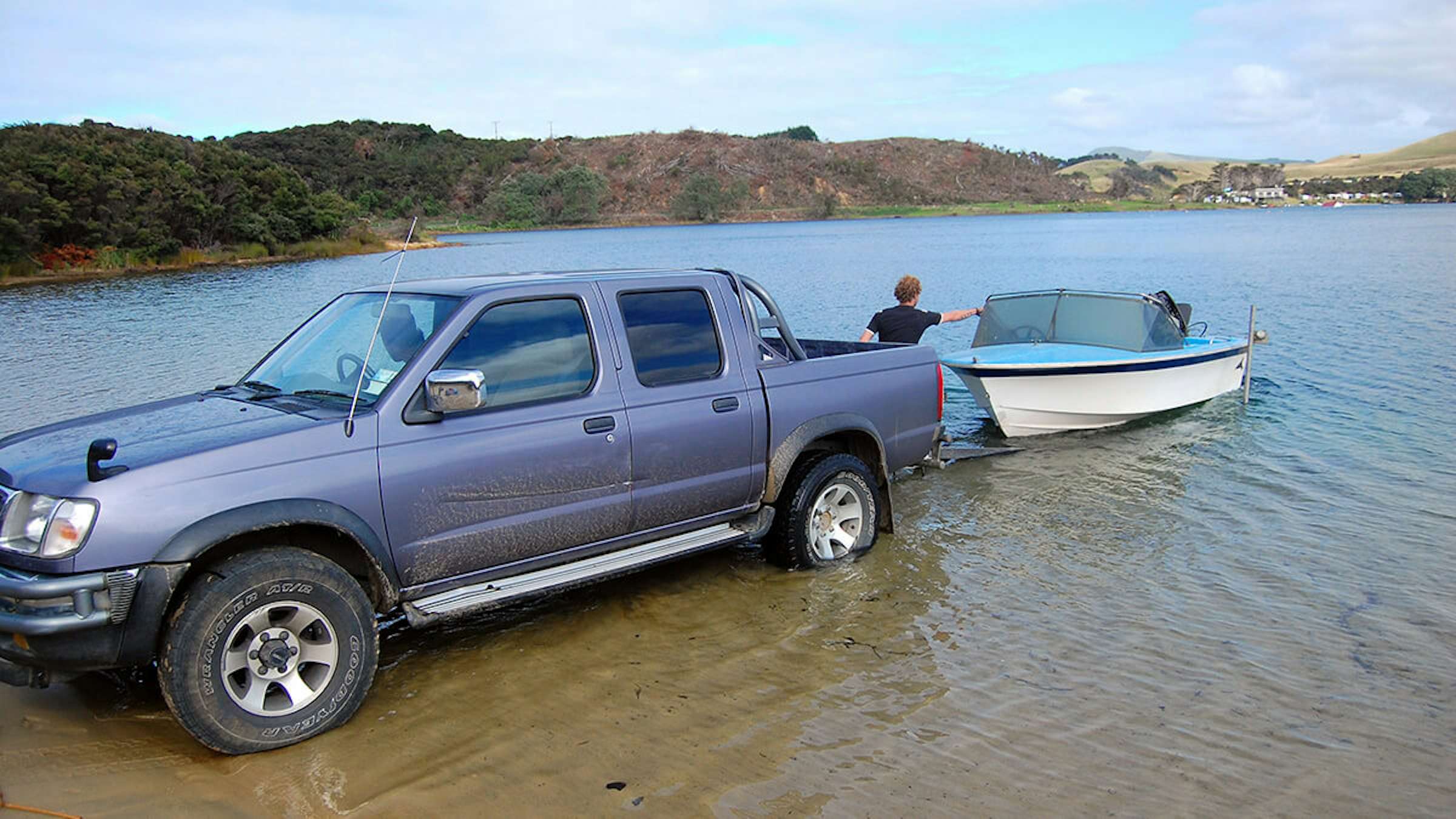
Boat trailer safety and launching tips
Getting your boat safely to the water and back home again requires more than just hitching up and heading off. Between changing regulations, biosecurity requirements, and the NZ Transport Agency's statistics showing seven Kiwis lose their lives each year in trailer-related crashes, there's never been a more important time to get trailer safety right.
Know your towing limits
Before you hit the road, understand what your licence allows. On a learner or restricted Class 1 licence, you can tow up to 4,500kg combined weight. A full Class 1 licence extends this to 6,000kg gross combined mass (vehicle, trailer, boat, fuel, gear, and passengers included). Exceed 6,000kg and you'll need a Class 2 licence, according to NZTA regulations.
The trailer itself determines your compliance requirements. Light trailers up to 3,500kg need a Warrant of Fitness (WoF) and registration. Anything heavier requires a Certificate of Fitness (COF), which demands professional engineering sign-off and six-monthly inspections. For detailed guidance on towing safely, including weight distribution and vehicle capability, refer to our towing guide.
Braking systems matter too. As NZ Fishing Media explains, trailers between 2,000kg and 2,500kg need service brakes on at least one axle. Over 2,500kg demands direct-acting breakaway brakes that automatically engage if the trailer disconnects. Here's a critical detail many boaties miss: if your trailer has breakaway brakes, safety chains can actually prevent the system working properly. The regulations are clear on this, though enforcement remains inconsistent.
Pre-departure preparation
Smart boaties prepare their rigs away from the ramp. Check your trailer coupling and safety chain connections, confirm the bung is secure, remove tie-downs and the outboard flag, and load all gear aboard. Verify your trailer lights work and check tyre pressures – most boat trailer tyres need around 60psi, significantly higher than your vehicle tyres.
Allow wheel bearings to cool for 10 minutes before launching if you've driven any distance. Plunging hot bearings into cold water is asking for trouble. Regular trailer maintenance – including bearing checks every six months and thorough washing after saltwater exposure – prevents the breakdowns that strand dozens of boaties every summer weekend.
At the ramp
Ramp etiquette keeps everyone moving and tempers cool. As The Fishing Website notes, busy ramps can quickly turn chaotic without basic courtesy. Back down in a single lane, release the winch only when the trailer's in the water, and clear the ramp immediately after launching. Your engine should be running before you release the boat – Murphy's Law guarantees it won't start if you're drifting in the launch lane.
At night, switch your vehicle headlights to park mode when backing down. Even dipped beams reflect off wet ramps and blind other users. Never power your boat on or off the trailer – the propeller wash scours holes that make the ramp dangerous for everyone.
When retrieving, winch the boat on rather than floating it into position. One rogue wave can cause serious damage or injury. Move away from the ramp quickly, then secure tie-downs, attach the safety chain, and fit the outboard flag in the staging area. For those launching from beaches, deflate your tyres to 15-20psi for better traction and always have someone ready to push off immediately.
Check clean dry: your biosecurity responsibility
Moving between waterways now carries legal responsibilities. The Check Clean Dry protocol, managed by Biosecurity New Zealand, prevents spreading invasive species like didymo and freshwater clams. Every time you shift between lakes or rivers, you must check for plant material, clean all surfaces that touched water, and dry everything thoroughly.
The South Island is a Controlled Area for didymo, making cleaning between waterways legally required. The Waikato and Bay of Plenty have similar rules for invasive clams. Failing to comply can result in prosecution under the Biosecurity Act.
For saltwater boaties, marine biosecurity matters too. Many marinas now enforce the "6 or 1" rule: boats must be antifouled within six months or lifted and washed within one month of entering. Different regions have varying requirements, so check local rules before travelling to new areas.
Ongoing maintenance
Saltwater is your trailer's biggest enemy. After every launch, wash thoroughly – not just the exterior, but inside chassis members and around brake components. Use a hose to flush water through drain holes. Products like Salt Away help neutralise corrosive deposits.
Check wheel bearings every six months by jacking up the trailer and spinning the wheels. Any rumbling, grinding, or play indicates worn bearings needing immediate attention. As Action Outdoors recommends, boat trailers that see regular saltwater use need more frequent inspections. Bearing Buddies help keep water out, but they're not foolproof.
Test your lights every time you hook up. Corrosion in connections causes most failures. Keep the trailer plug covered when not towing, and carry spare globes. Your jockey wheel needs grease on the pivot shaft and proper tyre inflation – flat jockey wheels are a false economy that leads to expensive replacements.
For trailers with brakes, flush the system after saltwater immersion and check fluid levels monthly. If you launch frequently, annual brake servicing isn't optional – it's essential for safe stopping power when you need it most.
Getting your boat to the water safely comes down to preparation, legal compliance, and respect for other water users. The few minutes spent checking your setup, understanding regulations, and following proper protocols prevent the accidents, biosecurity breaches, and ramp rage that give boating a bad name. With New Zealand's trailer boat fleet now topping 200,000 vessels, we all share responsibility for keeping our waterways accessible and safe for everyone.
Sources
NZ Transport Agency, The Fishing Website, Biosecurity New Zealand, Action Outdoors, NZ Herald