
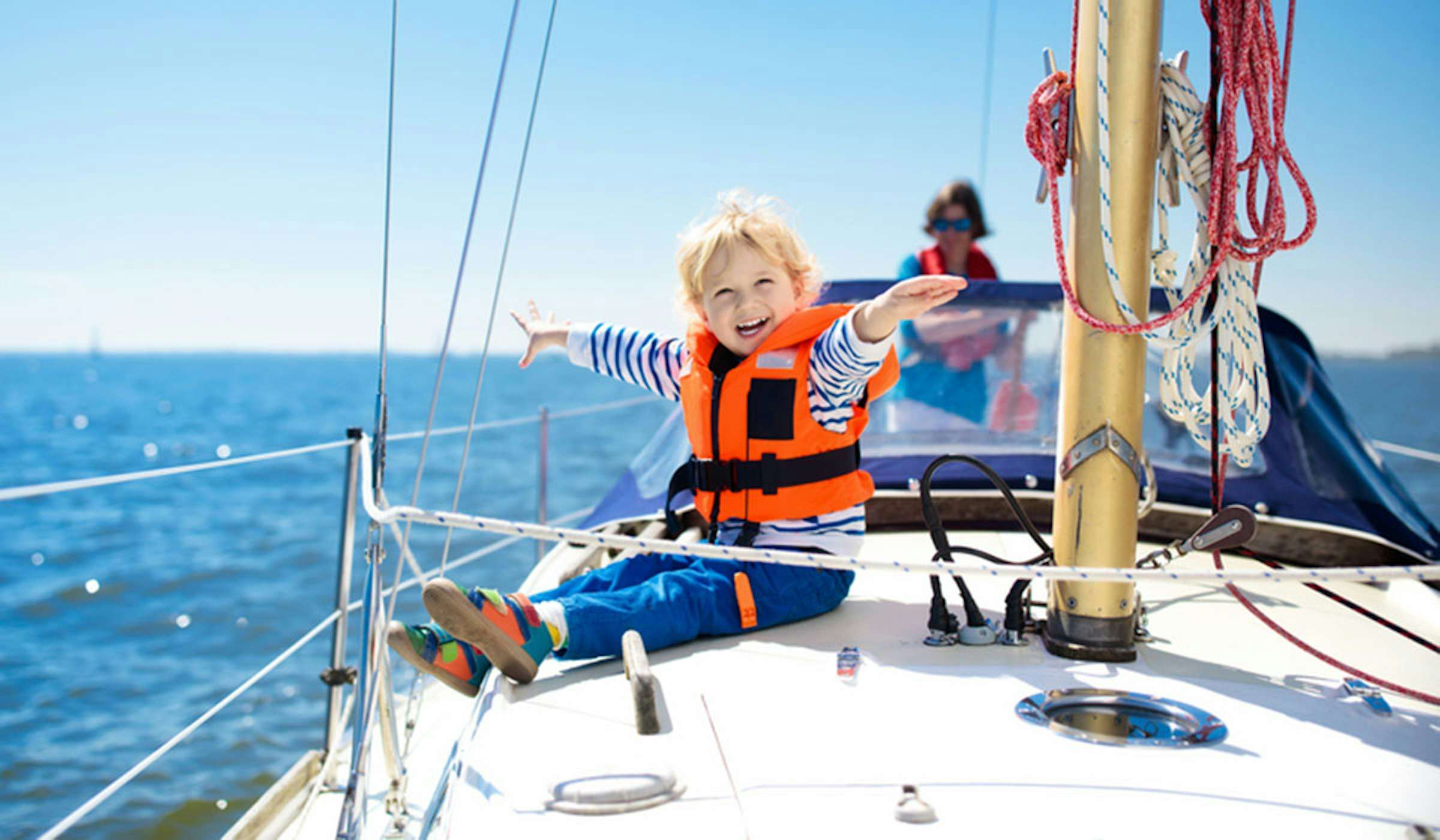
New NZ lifejacket rule and what it means for Kiwi boaties
From 9 October 2026, everyone on board a recreational craft 6 metres and under must wear a lifejacket whenever it's underway. The rule applies everywhere in New Zealand, from lakes and rivers to the open coast, and covers everything from kayaks and paddleboards to trailer boats and jetskis.
For plenty of Kiwi boaties this won't change much. Many already wear a lifejacket every time they head out, and some regions have had a wearing rule in their bylaws for years. For others it's a real shift, so here's what the new rule means and how to get ready before summer.
What the new rule says
The Maritime Transport (Lifejackets on Recreational Craft) Amendment Act adds a national wearing requirement to Maritime Rule Part 91. Until now, the national rules only required you to carry enough lifejackets for everyone on board and to wear them at times of heightened risk.
From 9 October, if your craft is 6 metres or less and it's underway, every person on board needs to wear a lifejacket that fits them and is properly secured. The skipper is still responsible for the safety of everyone on board, which includes making sure the rule is followed.
The reasoning is simple. Smaller craft are over-represented in boating fatalities and serious harm incidents, and a lifejacket can't help if it's stowed under a seat when someone ends up in the water. Maritime NZ's page on the rule change has the full detail and a set of FAQs.
Which boats and craft are covered
The rule applies to any recreational craft 6 metres and under in length. That includes
- trailer boats and small launches
- dinghies and yacht tenders
- jetskis and other personal watercraft
- kayaks, canoes and paddleboards
- small sailboats and trailer-sailers
It applies on all waterways, inshore and offshore. That means lakes, rivers and harbours as well as coastal waters.
How to measure your boat
If your boat is close to 6 metres, how you measure it matters. Maritime NZ uses length overall, measured from the very front of the bow to the very back of the stern. The length is often part of the model name, but it's worth checking properly if you're near the line.
Include anything that's a permanent part of the boat's structure, such as
- cabins and deckhouses
- fixed bait tanks
- buoyancy tubes on inflatables and RIBs
- bulbous bows below the waterline
Leave out fittings and equipment that extend beyond the bow or stern, such as
- outboard motors and jet units
- swim and boarding platforms
- bow rollers, bowsprits and booms
- rub rails, gantries and trim tabs
Maritime NZ's rule page includes diagrams showing how to measure a powerboat, a small sailboat and a boat on a trailer.
What underway means
The wearing rule only applies while your craft is underway. Under the Maritime Rules, a vessel is underway when it's on the water and is not at anchor, tied to a dock or the shore, or aground.
In practice, if you're motoring, sailing, paddling or drifting, you're underway. That includes drifting while you fish. Once you've dropped anchor for lunch, the wearing rule no longer applies, although the existing heightened risk requirements still do.
Swimming and other exclusions
The new rule includes a specific exclusion for recreational swimming from a craft of any size. You don't need to wear a lifejacket immediately before getting in or after getting out of the water, even if the boat is underway. This allows time to take a lifejacket off and put it back on, or to jump in repeatedly, as long as you're actually swimming.
Existing exclusions under Maritime Rule Part 91 may also apply. These include
- surfboards and similar unpowered craft
- windsurfers and sailboarders wearing a wetsuit
- divers wearing a wetsuit on a boat 6 metres or under, within 5 miles of shore
- people training for or taking part in sporting events approved by the Director of Maritime NZ
- people being towed at less than 5 knots, or towed while training for or taking part in certain events
Stand up paddleboarders are exempt only while they're SUP surfing. Paddling a SUP on a lake or around the bay is covered by the new rule.
What hasn't changed
The new rule sits on top of the existing requirements, which still apply to every recreational craft regardless of size.
- You must carry enough lifejackets of the right size for everyone on board.
- Lifejackets must be worn at times of heightened risk, such as crossing a bar, in rough water, during an emergency, and by non-swimmers.
- Anyone being towed, including water skiers and wakeboarders, must wear one.
- The skipper is responsible for the safety of everyone on board.
For boats over 6 metres, these existing rules are the ones that apply. Wearing a lifejacket on a bigger boat is still a good habit, especially offshore or in cold water, where the first few minutes after going in are the most dangerous.
Several regional councils already had their own lifejacket bylaws before the national rule. Check with your regional council or harbourmaster for anything specific to where you launch. Maritime NZ lists contacts for each region.
Penalties
Specific offences and penalties for the new rule haven't been created yet. They'll be developed once the law is in force, and Maritime NZ has signalled that its early focus will be on helping boaties understand what's changed.
That doesn't mean there are no consequences in the meantime. Maritime NZ can still prosecute where a breach of the Maritime Rules results in significant harm, and there are existing offences for dangerous activity under the Maritime Transport Act.
Getting your lifejackets ready
With summer on the way, now is a good time to check what's on board.
- Check each lifejacket shows an approved standard, usually NZS 5823, on its label. Maritime NZ's guide to types of lifejackets explains what each type is for.
- Make sure every lifejacket suits the weight and size of the person wearing it. One that doesn't fit can't be properly secured, so it won't meet the rule.
- Give kids a lifejacket that fits now rather than one to grow into, ideally with a crotch strap. Our guide to getting kids boating has more on this.
- Pull the straps hard, look for tears and get inflatables serviced if they're due. Here's how to look after your lifejacket.
- Choose lifejackets people will happily wear all day. Coastguard's lifejacket advice covers inflatables, foam jackets and slim buoyancy vests for paddling.
If you're replacing old gear, our guide to choosing the right lifejacket walks through what to look for. The easiest way to be ready for 9 October is to make putting lifejackets on part of launching, alongside checking the bung and the marine forecast.
Sources: Maritime NZ, Maritime NZ Lifejackets, Coastguard NZ, Boating NZ