
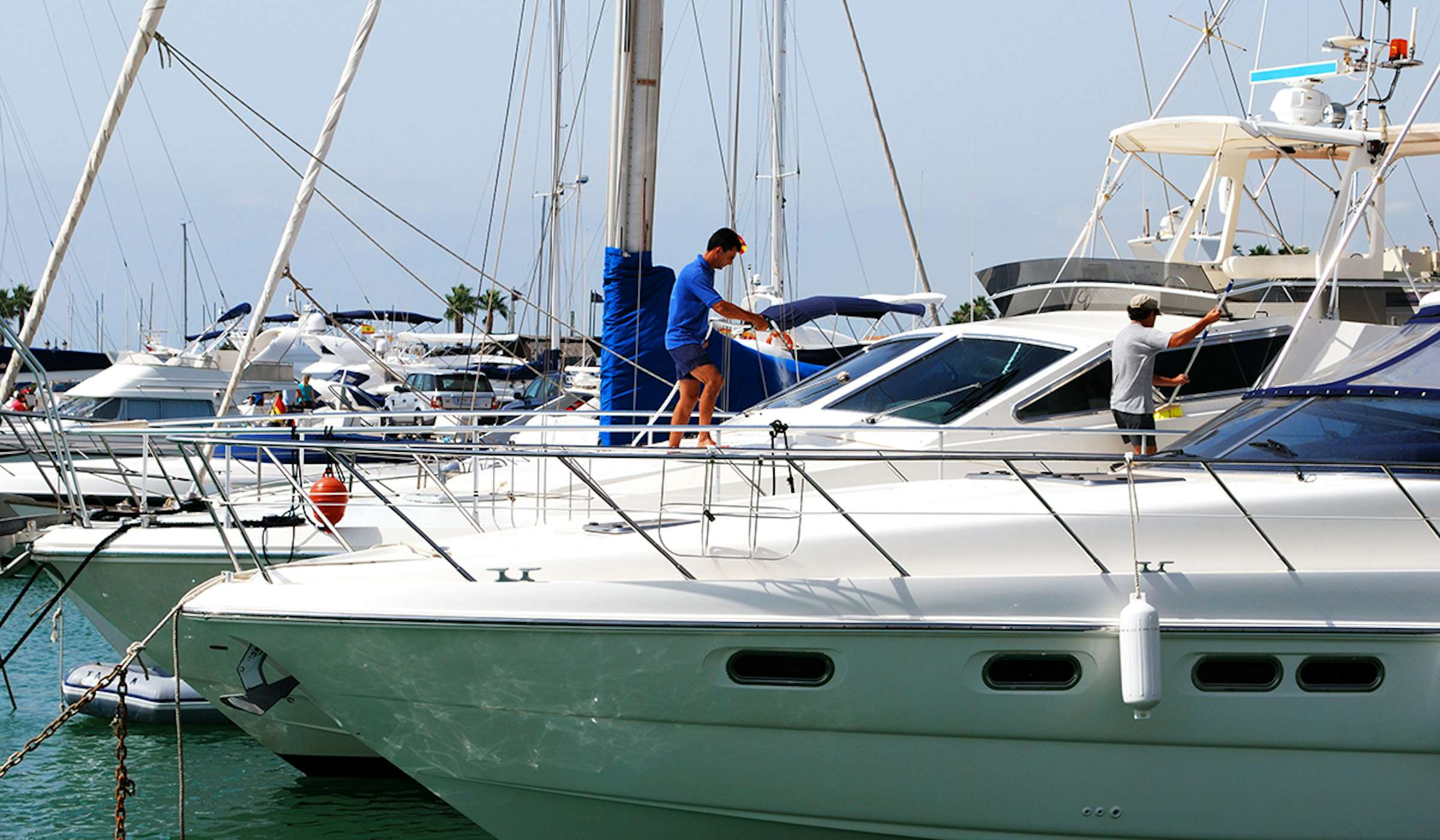
Getting your boat ready for Spring - A checklist for Kiwi Boatie's
Spring is when the Kiwi boating season properly kicks off. After months of sitting idle over winter, your boat needs a proper once-over before you launch, not just a quick wipe down and a hope for the best. A few hours of checks now can save you a ruined weekend, an expensive repair bill, or worse, an incident on the water.
Here's a practical checklist covering everything from hull to safety gear, so you can head into the season with confidence.
Check the hull and exterior
Start with a close look at the hull. Check for blisters, cracks, or any distortion in the gel coat or paintwork, and inspect the rudder, prop and shaft for damage or excessive play. If your boat's been sitting on a mooring or in the water over winter, growth on the hull is likely, and it's worth checking whether your antifouling is still doing its job.
If it's been more than 12 months since your last haul-out, spring is a sensible time to book one. For a full rundown of what's involved and how often you need to do it, see our guide to anti-fouling.
Don't forget the bits you can't see from the deck. Anodes, through-hull fittings and any exposed wiring near the waterline are worth a proper inspection, especially if your boat's kept in salt water.
Get the engine and mechanical systems sorted
Winter lay-up is hard on engines that sit unused for months. Flush the cooling system, check and top up all fluid levels, and inspect belts and hoses for cracking or perishing. If you winterised properly in autumn, this should be a fairly quick job. If you didn't, budget more time.
Check your fuel system too. Fuel that's sat in the tank over winter can degrade, and stale fuel is one of the most common causes of engine trouble on the first outing of the season. If in doubt, have your fuel checked or drained and replaced before you head out.
Run the engine at the dock or on the hard before your first outing, not for the first time out on open water.
Test your electrics and navigation gear
Batteries lose charge over winter, so check yours and charge or replace as needed. Test your navigation lights, bilge pump, and any electronics like your chartplotter, GPS and fishfinder. A quick way to test your bilge pump is to add a small amount of water and listen for it to kick in.
If you carry a VHF radio, confirm it's still working and that your call sign and emergency procedures are displayed clearly near the set. According to Maritime NZ's Safer Boating Guide, carrying reliable communication equipment is one of the basics every skipper should have sorted before heading out.
Run through your safety gear
Safety gear has a habit of being forgotten until it's needed, so spring is the time to check it properly rather than assume it's fine.
Lifejackets are the priority. Maritime NZ requires a correctly sized lifejacket for everyone on board, and most regional councils now make wearing one compulsory on vessels under six metres. Check yours for wear, confirm they still fit everyone who'll be using them, and if you carry inflatable lifejackets, inspect the gas canisters for corrosion.
While you're at it, check your fire extinguisher hasn't expired, top up your first aid kit, and confirm your flares are still in date. If you're unsure what you're legally required to carry, Maritime NZ's Safer Boating Guide sets it out clearly by vessel type.
It's also worth checking your emergency beacons while you're going through the safety gear. If you're not sure whether you need an EPIRB, a PLB, or both, we've covered the difference in our guide to EPIRBs vs PLBs. And if you're heading further afield this season, it's worth reading why a float plan is essential before you leave the ramp.
Trailer and towing check
Your trailer needs the same attention as the boat itself, particularly after a winter of sitting idle and being exposed to the weather. Check tyres, bearings, lights and the coupling before you tow anywhere.
Under NZTA rules, any light trailer up to 3500kg loaded weight must be registered and carry a current warrant of fitness, so if yours has lapsed over winter, get it sorted before you're back on the road. We've covered trailer upkeep and towing safety in more detail in our guides to boat trailer maintenance and towing a boat safely, both worth a read if it's been a while since you checked.
Your pre-launch checklist
Before you launch for the first time this season, run through the essentials:
- Hull, prop and rudder inspected, antifouling checked
- Engine fluids topped up, fuel system checked, belts and hoses inspected
- Battery charged, lights and electronics tested, bilge pump working
- Lifejackets checked and correctly sized for everyone on board
- Fire extinguisher, flares and first aid kit in date
- Trailer tyres, bearings, lights and WOF checked
Getting through this list before your first trip means you can spend the season actually enjoying the water, rather than dealing with problems that a bit of spring prep would have caught.
Sources: Maritime NZ, NZTA Waka Kotahi