
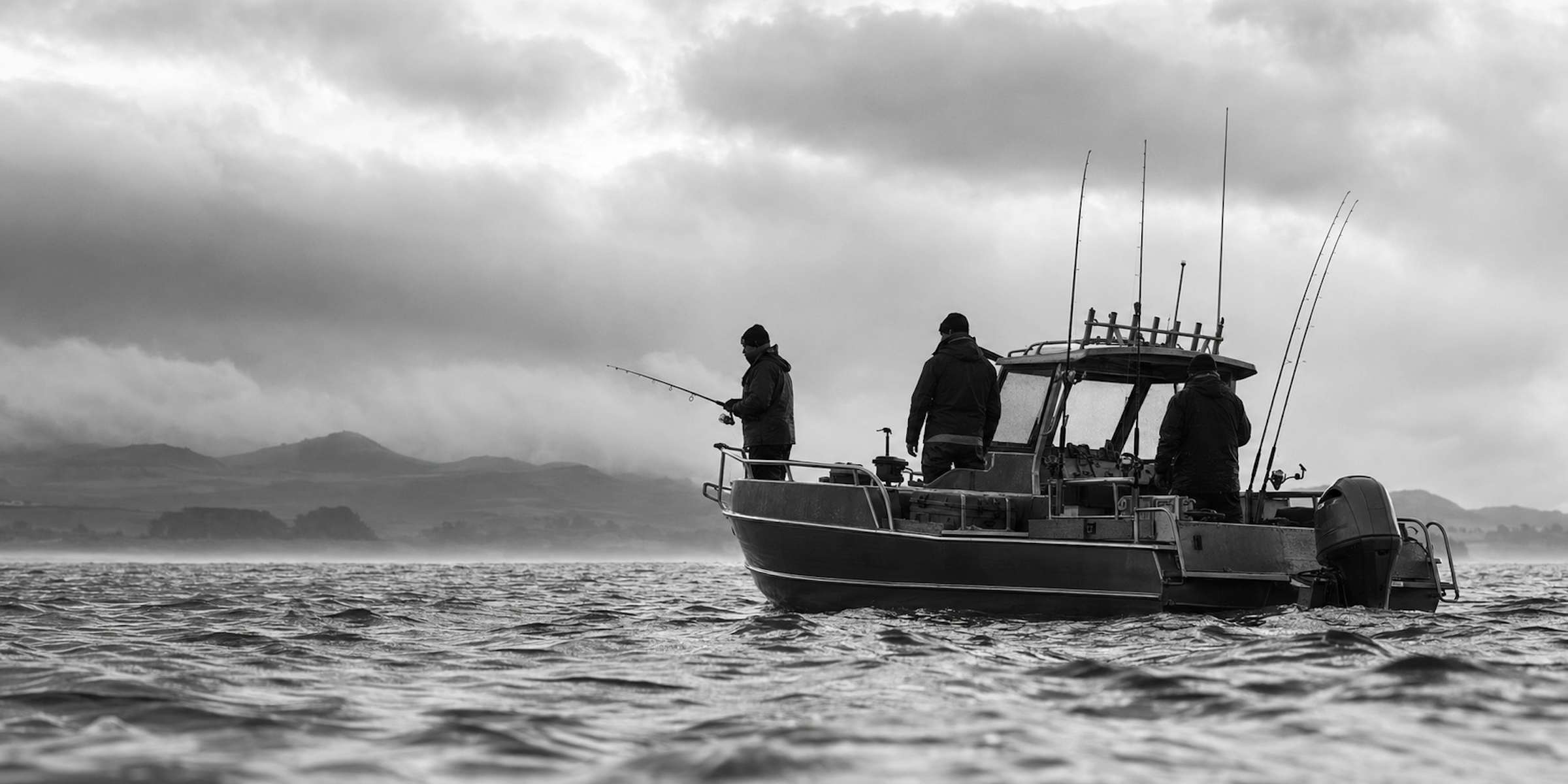
Is winter a good time to fish in New Zealand?
Yes, winter is a good time to fish in New Zealand, and in some ways a better one than summer. Winter fish are in better condition, the pressure on popular grounds drops off, and a handful of species actually fish better in the cold months than they do in summer. Most rods go into the garage the moment the season turns, which is a mistake if you're chasing quality over quantity.
Our guide to boating in winter covers why the season is worth staying on the water for more broadly. This one is about what to target, where, and how to stay safe doing it.
Snapper shift into deeper water
Summer snapper feed in close, but by winter the bigger fish have mostly pushed out to deeper structure, often 40 to 80 metres down around the Hauraki Gulf and similar grounds further north. Slow jigging with soft baits, inchiku or kabura style jigs is the standard approach, worked gently near the bottom rather than ripped through the water column.
According to The Fishing Website, sluggish winter fish respond best to slower retrieves and lighter gear than you'd use in summer. Settled, glassy days are worth waiting for. The Gulf's open water means weather has more say over whether a trip is worthwhile than the calendar does.
Kingfish come alive on exposed ground
Kingfish get a reputation as a summer fish, but some of the biggest are caught over winter. Exposed reefs, rocky headlands and ledges with good current flow are prime winter territory, and mechanical or slow pitch jigging works well over deeper grounds where the fish are holding tight to structure.
Live baiting still accounts for plenty of winter kingis too, particularly around harbour mouths where mullet and kahawai schools linger through the colder months. Fish tend to be in excellent condition heading into spring, which is part of why winter produces a disproportionate share of the country's bigger catches.
Kahawai, john dory and other winter options
Kahawai move inshore over winter, turning up at river mouths, harbours and along rocky shorelines, often as solitary big fish rather than the tightly packed schools you see in summer. They'll take bait fished on ledger rigs and berley trails, as well as soft baits and small lures.
It's also a strong season for john dory, usually large females feeding up before spawning. They tend to sit wherever baitfish are holding, so a live bait left on a ledger rig near the bottom while you're anchored for something else will often turn one up. South Island boaties have blue cod to fall back on too, with the Marlborough Sounds fishery holding up well through the colder months.
Where to head this winter
The Hauraki Gulf, Bay of Plenty and Coromandel harbours all fish well for the species above, and all three see far less boat traffic in winter than they do in January. Whangaroa Harbour and the Bay of Islands are worth a look if you're after kingfish, since baitfish tend to hold in these harbours right through winter.
Further south, the Marlborough Sounds offers sheltered water for blue cod when open coast fishing turns marginal. Whichever region you're in, settled high pressure days are what make winter fishing worthwhile, so it pays to be flexible with your dates rather than committing to a fixed weekend.
Staying safe on a winter trip
Cold water changes the safety equation. Immersion in winter sea temperatures brings on cold shock and loss of hand function far faster than a summer dip, so a lifejacket worn the whole trip, not just kept on board, matters more in winter than any other season. Our guide to surviving in cold water covers what to do if you end up in the water and why the first minute matters most.
Check the MetService marine forecast the night before and again on the morning of your trip. Winter weather windows close faster than summer ones, and the gap between a flat, glassy day and a rough one can be narrow. Carry at least two forms of communication such as a VHF radio and a charged phone, and always leave a float plan with someone onshore before you head out.
Maritime NZ requires lifejackets to be carried for every person on board, and recommends wearing them at all times on small craft. If your boat has been sitting since autumn, it's worth working through our guide to looking after your boat over winter before the first trip of the season, particularly the battery and engine checks.
Gear for the day
Layer up and dress for water temperature rather than air temperature. A moisture-wicking base layer, an insulating mid layer and a waterproof outer shell will keep you comfortable far longer than a single heavy jacket. Good gloves make a real difference to how long you can keep fishing before your hands give up, and a warm hat matters more than most people expect once the sun drops.
Winter fishing rewards the boaties prepared to rug up, check the forecast twice and wait for the right day rather than the first available one. Get those three things right and the colder months can produce some of the best fishing of the year.
Sources: The Fishing Website, Boating NZ, MetService, Maritime NZ